The Star School Project was a three-year initiative funded by Edukans, aimed at improving the quality of basic education in Mzimba district, Malawi. Implemented in Maharaunda Loudon and Mzoma zones, the project targeted six schools: Chizimya, Etchiyeni, Mbawa, Mabiri, Thoza, and Mavungwe.
Project Objectives
The project sought to:
- Enhance the capacity of school governance structures
- Empower learners with Sexual and Reproductive Health (SRH) information
- Foster community participation and linkage in school management
- Create a conducive learning environment in targeted schools
By achieving these objectives, the Star School Project contributed to the overall goal of providing quality basic education to students in Mzimba district.
The STAR project's dimensions were designed to address key aspects of education, including:
- Community Participation: Fostering involvement and support from local communities
- Learner Motivation: Encouraging students to take an active interest in their education
- Teaching and Learning Materials: Ensuring availability of quality educational resources
- Sexual and Reproductive Health Rights: Promoting awareness and access to SRHR information and services
Partnership and Implementation
The project was implemented in partnership with:
CCAP Synod of Livingstonia Education Department
Education Expertise Development Fund (EEDF)
Teachers Union of Malawi
Each partner focused on a specific component:
FCR: Learner motivation and community participation
EEDF: Teacher motivation
Synod: School environment
Project Successes
The STAR project achieved significant successes, including:
Increased learner motivation and pass rates at targeted schools
Successful advocacy for girls' hostels
-Improved access to safe drinking water
These outcomes demonstrate the project's positive impact on education and the well-being of students in the targeted schools.
FCR was implementing a self-help group programme with support KNH through A&RD
consultants. This approach aimed at empowering women politically, economically
and socially. Through the initiative these women were not given any capital but encouraged to
save small amounts of money from which they take loans to do small scale business and then
repay the money with small interest. The uniqueness of this approach was that the money was not
shared at the year, but as the savings grow the women take large amounts of loans therefore
do bigger business and more profitable businesses. These groups also participate in
community development and also discuss community issues and find solutions to the same.
FCR was implementing this approach in Mzuzu in Zolozolo West ward and Sonda in T/A
KampingoSibande
This project was carried out in Mzuzu City and it aimed at educating the masses on the dangers
of HIV/AIDS and best practices towards the prevention of catching the virus. It also aimed at
providing basic care and support to individuals who are directly infected and affected by the
pandemic.
The project supported a group of women who organized themselves in 2003 to work as
volunteers on issues that negatively affected widows and vulnerable children. This group of
women is basically playing the role of giving counseling services and mitigating factors to the
affected and infected families. They also carry out IGA activities like chicken rearing and running
a child care center, so that the proceeds are used to fend for children who are needy in their
area. The reason behind this is to ensure that the right to education and other social services
Foundation for Children’s Rights Profile
are even enjoyed by children who are in critical conditions. The initiative was supported by
NAC through plan Malawi with funding worthy MK 850,000.00.
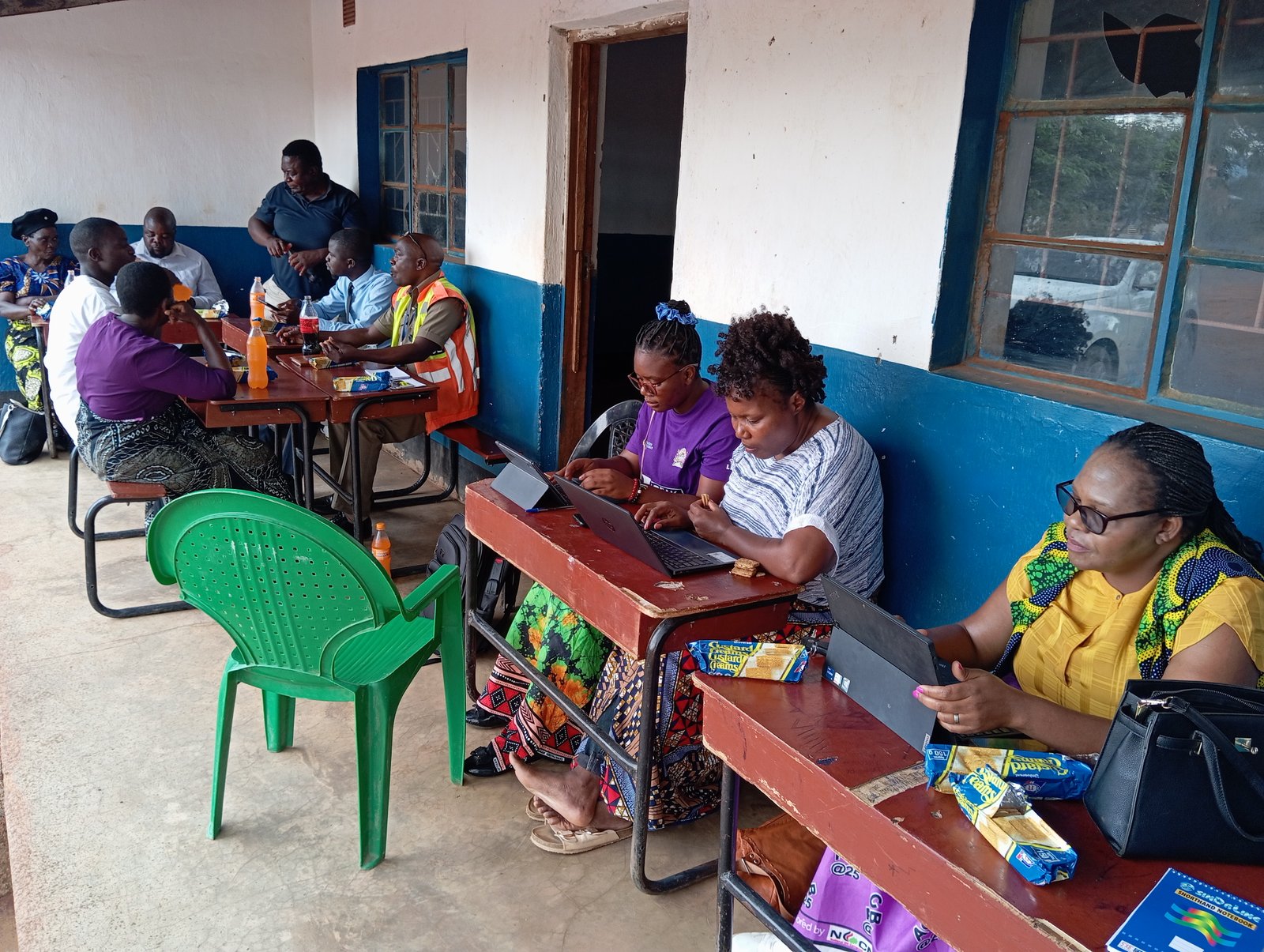
The project "Addressing Sex and Gender-Based Violence through Social Analysis and Action in Nkhata Bay and Mzimba Districts" is a UNDP funded project aimed at deep-diving into harmful social norms that exacerbate SGBV and provides tools to key stakeholders at grassroots dealing with SGBV on innovative strategies on how to deconstruct such norms and myths in a way communities at grassroots can understand root causes and be compelled to take action to change
FCR in partnership with Save the Children was implementing a three year project with the goal of increasing access to inclusive quality ECD services with particular focus on excluded children.
The project targeted all ECD aged children in Mzimba South district, particularly those currently excluded from participating in ECD services, gain access to quality inclusive ECD services within their communities
FOUNDATION FOR CHILDREN'S RIGHTS POLICIES AND FINAL REPORTS
Designed By Awalister Tech (+265 992 15 46 29)